
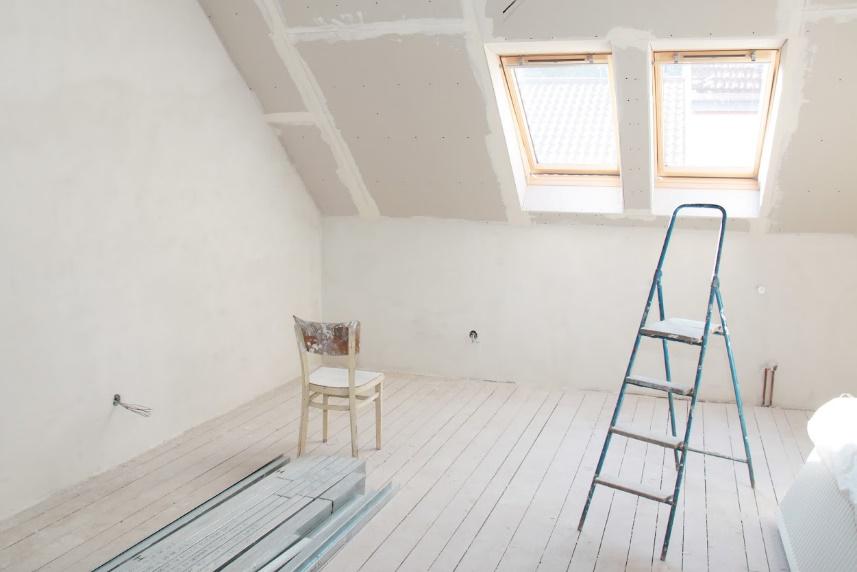
Undertaking projects to improve the appearance, convenience, and value of the home is standard operating procedure for most dedicated homeowners. While every improvement project should always be planned to enhance the comfort and enjoyment of living in the home, sometimes even the most carefully made plans can go awry.
Sometimes a home improvement plan results in creating or aggravating a problem with another part or system of the home, such as the heating and air conditioning system. If you are planning to make some future improvements in your home and want to avoid negatively impacting your HVAC system, consider the following information.
1. Add Living Space
The addition of more living space is one of the most common home improvement goals today, especially for growing families. Adding a wing with an extra bedroom or two or finishing a previously unused basement, garage, or attic can certainly give families the additional space they need.
However, if the design does not also plan to enlarge the capabilities of the home's HVAC system, the project may cause more problems than it solves.
Failing to do so can mean your current system will be forced to run more often in an attempt to keep the new living spaces at the proper temperature. This increased runtime not only causes premature aging of the system's parts and components but also results in higher energy consumption and more expensive utility bills.
Homeowners can avoid this type of problem by making sure to include appropriate HVAC renovations or upgrades as part of the original project plans.
2. Change the Layout
Like adding more living space, changing the layout of the home can also place a strain on your current HVAC system. Some examples of this include:
These types of home improvements are at risk of creating HVAC problems because they can seriously affect the way conditioned air flows throughout the home. When this happens, the blowers used by the HVAC system may no longer be capable of moving conditioned air to every room.
In addition to less heating and cooling efficiency, homes where the layouts were changed in this manner may experience an uncomfortable temperature disparity in different areas of the home that directly impacts the comfort of those who live there.
To avoid creating this type of problem when making home improvements, homeowners will need to overcome any airflow obstacles that may be caused by their intended renovations. In some cases, incorporating features such as louvered doors or ceiling fans can help, but a more efficient option usually requires adding runs of duct work and installing additional vents in the renovated areas.
3. Increase Humidity Levels
Home improvements that will raise the level of humidity inside the home must be approached carefully in order to keep the interior environment healthy for occupants. Too much moisture in the home can worsen breathing difficulties for family members with some types of medical conditions, as well as greatly increase the risk of creating a mold or mildew issue inside the home.
Home improvements with the potential to raise interior humidity levels include:
Homeowners who want to make these types of humidity-causing improvements should take preventative measures to keep their home environment at a healthy humidity level.
These measures include adding additional automatic or switch-controlled vent fans in high-humidity areas and installing a dehumidifier unit on the home's existing HVAC system.
4. Place Additional Demands
Another common problem that often occurs when homeowners modernize and update their houses is they may unknowingly place additional demands on their HVAC system that hamper its efficiency.
An excellent example of this is when homeowners decide to make dramatic renovations, such as adding a wall of windows on one or more sides of the home. While certainly beautiful to behold and capable of greatly increasing the amount of natural light in the home, the addition of such a substantial amount of glass can also raise the interior temperature several degrees.
Even planning to replace each standard window with a larger one throughout the home can have a similar thermal effect and place a strain on the existing air conditioning system.
Homeowners who want to avoid this type of problem should first look for ways to enjoy expansive areas of glass in their homes without sacrificing HVAC efficiency or interior comfort levels, including protective window film, blinds, or drapes.
At Dick Kearsley Service Center, our heating and air conditioning technicians love using their skills to help homeowners solve their HVAC efficiency issues in their homes. Call us soon to discuss how to achieve efficient, year-round comfort in your home.
520 S State, Clearfield, UT 84015
Hours Of Operation:
Mon-Fri: 8:00 am - 5:00 pm
Saturday: 8:00 am - 4:00 pm
Sunday: Closed
Davis/Morgan: 801-773-4836
Weber County: 801-393-1265
Brigham City: 435-553-4556
Salt Lake: 801-292-1636
© Dick Kearsley Service Center 2023